Last updated: August 24, 2026
Reviewed for legal accuracy by Ryan Girtel
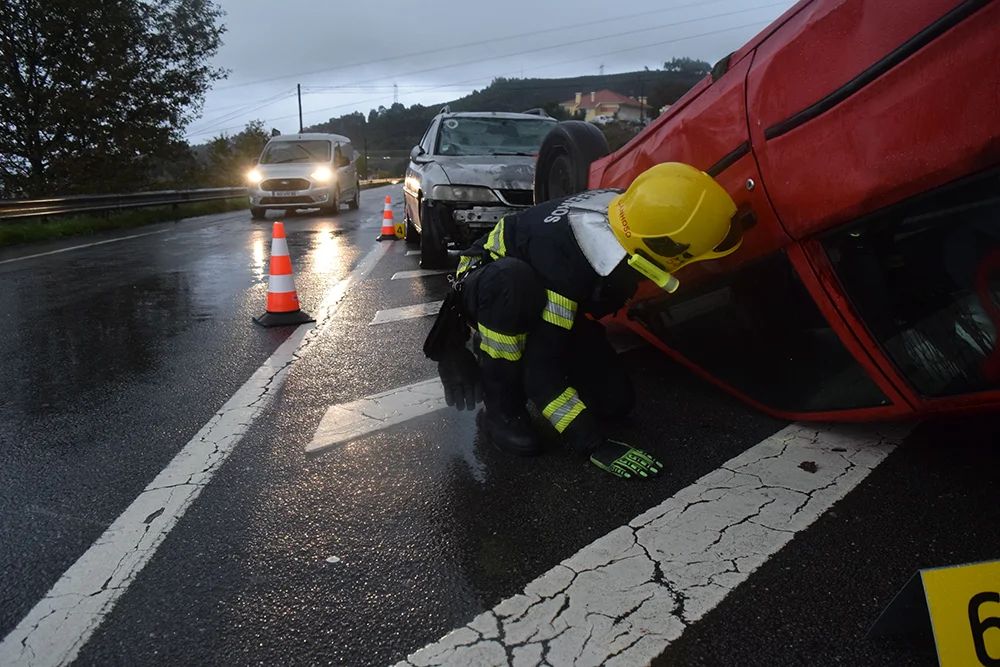
If you have been in a car accident in Alberta, stop, check for injuries, call 911 when anyone is seriously hurt or you suspect a criminal offence, and move out of traffic only when it is safe. Exchange information, photograph the scene, report the collision when required, notify your insurer promptly, and seek medical care if you have any symptoms.
Those first steps can protect your health, the people around you, and your ability to make an insurance or personal injury claim. Use this Alberta car accident checklist to understand what to do at the scene, in the first 24 hours, and during the weeks that follow.
Important 2026 notice: This guide explains Alberta’s current auto insurance system for collisions occurring before January 1, 2027. Alberta’s new Care-First system is scheduled to begin on that date. The immediate safety and police-reporting steps below still apply, but insurance benefits and legal rights may differ for collisions occurring on or after January 1, 2027.
Table of Contents
What should you do immediately after a car accident?
Take these steps after a car accident in Alberta:
- Stop and remain at the scene.
- Check yourself and others for injuries.
- Call 911 if anyone is seriously injured or you suspect impaired or criminal driving.
- Move vehicles out of traffic only when it is safe and appropriate.
- Report the collision to police when Alberta law requires it.
- Exchange driver, vehicle, and insurance information.
- Photograph the vehicles, road, surroundings, and visible damage.
- Get the names and contact details of witnesses.
- Do not admit fault, negotiate payment, or sign anything at the scene.
- Seek medical care as soon as possible if you are injured or develop symptoms.
- Notify your insurance company promptly.
- Preserve evidence, track your losses, and speak with an injury lawyer if you were hurt.
Alberta car accident checklist: what to do at the scene
Stop and stay at the scene
You must stop after a collision. Leaving without stopping and completing your responsibilities may result in demerit points or criminal prosecution.
Turn on your hazard lights. Before getting out, check for approaching traffic and other hazards. Do not stand between vehicles or behind a damaged vehicle where another driver could strike you.
Check for injuries and call 911 when necessary
Check yourself, your passengers, the occupants of the other vehicles, cyclists, and pedestrians. Call 911 if:
- anyone is seriously injured;
- there has been a fatality;
- you believe a driver may be impaired;
- you suspect another serious or criminal driving offence;
- there is an immediate danger, such as fire, leaking fuel, or traffic moving through the collision scene; or
- someone has fled after causing a collision and emergency assistance is needed.
Do not move an injured person unless leaving them in place creates an immediate danger. Follow the directions of the 911 operator and emergency responders.
Move vehicles only when it is safe
If the vehicles are drivable, nobody appears seriously injured, and there is no suspected impaired driver, move the vehicles to the side of the road and out of traffic when it is safe to do so.
If someone is seriously injured or you suspect impaired driving, leave the vehicles where they are so police can investigate the scene. If a vehicle cannot be moved, turn on its hazard lights, use warning triangles or flares if they can be placed safely, and move uninjured occupants to a safe location.
Do not risk being struck while inspecting damage or trying to clear debris.
Know when an Alberta car accident must be reported to police
In Alberta, a collision must be reported to police if:
- anyone is injured or killed;
- the vehicles appear to have $5,000 or more in combined property damage;
- one or more vehicles cannot be driven;
- a driver cannot produce a driver’s licence, vehicle registration, or proof of insurance;
- a driver leaves the scene;
- you suspect impaired or criminal driving; or
- public property or a traffic-control device has been damaged, even when the damage appears to be less than $5,000.
The Government of Alberta confirmed that the $5,000 property-damage reporting threshold remains in effect for 2026. When a report is required, record the police file number and keep the driver copy of the collision report.
Some eligible, non-injury collisions involving passenger vehicles can be reported through Alberta’s Report My Collision online service. Availability and eligible collision types vary by location, so check the current requirements before relying on online reporting.
Exchange contact, vehicle, and insurance information
Exchange information with every driver involved. Record or photograph:
- full name, address, phone number, and email address;
- driver’s licence number and issuing province or territory;
- licence plate number;
- vehicle make, model, colour, and approximate year;
- name of the registered owner if different from the driver;
- insurance company, policy number, and expiry date; and
- vehicle registration details.
If a driver refuses to cooperate, do not argue or put yourself at risk. Record the licence plate, vehicle description, driver description, direction of travel, and anything else you can safely observe. Contact police.
If you strike an unattended vehicle or other property and cannot find the owner, Alberta requires you to securely leave your name, address, phone number, driver’s licence number, and licence plate number on the damaged property.
Document the scene before evidence disappears
Use your phone to take wide, medium, and close-up photographs or video. Capture:
- the position of the vehicles before they are moved, if it is safe;
- damage to every vehicle, not only your own;
- licence plates;
- the intersection, lane markings, traffic signs, and traffic signals;
- skid marks, debris, and damage to surrounding property;
- road, lighting, visibility, and weather conditions;
- visible injuries, with the injured person’s permission; and
- anything that may have contributed to the collision, such as construction or an obstructed sign.
Write down the date, time, exact location, direction each vehicle was travelling, and your recollection of what happened. Stick to what you observed. Do not guess about speed, distance, fault, or facts you do not know.
Ask witnesses for their names, phone numbers, and email addresses. Do not assume that police or another driver has already collected them.
If your vehicle or a nearby business has a dash camera or surveillance system, preserve the footage immediately. Some systems overwrite recordings quickly.
Do not admit fault or make a private deal
Remain calm and be cooperative, but do not admit fault, accept blame, promise to pay, sign a statement, or agree to settle the collision privately. You can ask whether someone is hurt without accepting responsibility.
The police do not make the final decision about civil liability. Insurers may assess fault using Alberta’s rules, and a disputed determination can sometimes be challenged. A short conversation at a stressful scene should not decide your legal rights.
What to do in the first 24 hours after a car accident
Get medical attention and describe every symptom
Seek emergency treatment immediately for severe or worsening symptoms. Otherwise, arrange an assessment with a doctor, physiotherapist, or chiropractor as soon as possible if you have pain, stiffness, dizziness, headache, nausea, confusion, numbness, weakness, anxiety, sleep disruption, or any other new symptom.
Some collision injuries are not obvious at the scene. Adrenaline can mask pain, and symptoms may appear hours or days later. Tell your healthcare provider when the collision occurred, how your body moved during the impact, and every symptom you have noticed. Follow the treatment plan and attend recommended follow-up appointments.
Medical care matters first for your recovery. Timely medical records can also help establish when symptoms began and how the collision affected you.
Notify your insurer promptly—even if you were not at fault
Report the collision to your own insurance company as soon as possible, regardless of who you believe caused it. Give accurate facts, disclose any known injuries and property damage, ask for your claim number, and keep the adjuster’s contact information.
Do not exaggerate, minimize, or speculate. If you are injured or uncertain about your rights, consider getting legal advice before giving a detailed recorded statement, signing a release, authorizing broad access to your records, or accepting a settlement.
For vehicle damage, Alberta generally uses Direct Compensation for Property Damage (DCPD). This means you usually deal with your own insurer for the portion of vehicle damage for which you are not at fault. Your own collision coverage, if purchased, may respond to the portion for which you are at fault. Coverage can depend on the vehicles and insurers involved.
Start an accident-benefits claim if you were injured
Under Alberta’s current system for collisions before January 1, 2027, people injured in an automobile collision may have access to no-fault accident benefits—often called Section B benefits—regardless of who caused the accident.
To begin the process:
- Get assessed by a primary healthcare practitioner.
- File an injury collision report with police.
- Complete an AB-1 Notice of Loss and Proof of Claim Form.
- Keep a copy and send the signed form to the insurer promptly.
If you are using Alberta’s Diagnostic and Treatment Protocols for a sprain, strain, or Grade I or II whiplash-associated disorder, written notice is normally required within 10 business days, or as soon as practicable when meeting that deadline is not reasonable. Other accident-benefit claims generally have a 30-day notice period, with a similar allowance when timely notice is not reasonable. Because the applicable deadline depends on the benefit being claimed, notify the insurer and submit the AB-1 as soon as possible.
Learn more in our guide to Section B accident benefits and access Alberta’s current accident-benefit forms.
Create a file for evidence, expenses, and recovery
Keep everything connected to the collision in one physical or digital file, including:
- the collision report and police file number;
- photographs and video in their original format;
- tow, storage, rental-car, repair, and replacement-property records;
- medical records, prescriptions, treatment plans, and appointment dates;
- receipts for medication, treatment, parking, travel, home assistance, and other expenses;
- pay stubs, employer correspondence, and records of missed work;
- emails and letters from insurers;
- names and contact details for adjusters, witnesses, and treatment providers; and
- notes of every important telephone conversation.
Keep a simple recovery journal. Record symptoms, sleep, missed activities, work restrictions, assistance you need at home, and how your injuries affect your daily life. Be accurate and consistent; a short entry made regularly is more useful than trying to reconstruct months of information later.
Preserve damaged personal items, such as a child car seat, helmet, glasses, phone, or clothing, until your insurer or lawyer confirms they are no longer needed as evidence.
Be careful with settlements, releases, and social media
An early settlement may be offered before the full effect of an injury is known. Once a claim is finally settled and a release is signed, you generally cannot return for additional compensation if your condition becomes worse.
Before accepting an injury settlement, make sure your diagnosis, recovery outlook, work impact, treatment needs, and likely future losses are understood. If you are unsure, speak with an injury lawyer first.
Avoid posting about the collision, your injuries, travel, exercise, work, or recovery on social media. Privacy settings do not guarantee that a post will remain private. Do not delete existing relevant content after a claim or dispute begins; get legal advice about preserving it.
What not to do after a car accident
After a collision, do not:
- leave the scene before completing your legal duties;
- put yourself in moving traffic to inspect damage;
- move an injured person unless there is immediate danger;
- move vehicles when there is a serious injury or suspected impaired driver;
- admit fault or argue about blame;
- make a cash deal or promise not to report the collision;
- guess when answering police, medical, or insurance questions;
- delay medical care for new or worsening symptoms;
- repair, discard, or destroy important evidence too quickly;
- sign a release or accept a final injury settlement before understanding your condition; or
- post details of the collision or your recovery on social media.
When should you contact a car accident lawyer?
Not every property-damage collision requires a lawyer. You should get legal advice promptly when:
- you or a family member was injured;
- symptoms appeared after you left the scene;
- the injuries may affect your work, education, independence, or future care;
- the collision involved a fatality, brain injury, spinal cord injury, fracture, chronic pain, or psychological injury;
- fault is disputed or several vehicles may be responsible;
- a commercial, rideshare, government, or out-of-province vehicle was involved;
- the other driver was uninsured or cannot be identified;
- an insurer denies benefits, minimizes your injuries, requests a broad authorization, or pressures you to settle;
- you are being blamed for some or all of the collision; or
- a deadline may be approaching.
In Alberta, an adult will often have two years to start a personal injury lawsuit, usually measured from when the claim was discovered—which is commonly the date of the collision. That is a general rule, not a safe waiting period. Different notice requirements, parties, and exceptions may apply.
For example, if an unidentified driver caused a hit-and-run injury, Alberta’s Motor Vehicle Accident Claims Program says it should be notified of a potential claim within 90 days. Evidence can also disappear long before a legal deadline expires.
An experienced Alberta car accident lawyer can explain your options, help preserve evidence, deal with insurers, identify applicable coverage, calculate the full effect of the injury, and protect important deadlines.
What if the other driver leaves or has no insurance?
If the other driver leaves, do not chase them. Move to safety, contact police, and record everything you can remember about the driver and vehicle. Photograph debris and damage, identify witnesses, and ask nearby homes or businesses to preserve security footage.
Notify your insurer promptly. If you were injured by an uninsured or unidentified at-fault driver, Alberta’s Motor Vehicle Accident Claims Program may provide a route to compensation when other insurance is unavailable. The rules are technical, and the 90-day hit-and-run notice requirement can arrive quickly, so early legal advice is especially important.
Frequently asked questions about car accidents in Alberta
When do I have to report a car accident to police in Alberta?
Report the collision if anyone is injured or killed, combined apparent property damage is $5,000 or more, a vehicle is not drivable, a driver lacks required documents, a driver leaves, you suspect impaired or criminal driving, or public property is damaged. Call 911 for serious injuries or an immediate emergency.
What information must I exchange after a car accident?
Exchange names, addresses, contact details, driver’s licence information, licence plates, vehicle registration details, and insurance company and policy information. Also record the registered owner’s name when the owner is not the driver.
Should I report a minor accident to my insurance company?
Yes. Notify your insurer promptly even if the collision appears minor or you believe the other driver was at fault. Damage and injury symptoms may be greater than they first appear, and delayed reporting can complicate a claim.
What if I feel pain the day after the accident?
Get medical care as soon as possible and explain that the symptoms began after a motor vehicle collision. Some injuries become noticeable only after the initial stress and adrenaline subside. Report new symptoms to your insurer and keep a record of your assessment and treatment.
Should I admit fault after a car accident?
No. Check on everyone, exchange information, and provide honest facts to police and insurers, but do not accept blame or negotiate responsibility at the scene. Fault can depend on evidence and Alberta’s insurance rules.
Do I have to give the insurance adjuster a recorded statement?
Your policy may require you to cooperate with your own insurer, but the scope of that obligation depends on the circumstances. Be truthful and do not speculate. If you were injured or are concerned about the request, get legal advice before providing a detailed recorded statement or signing broad authorizations or releases.
How long do I have to make a car accident injury claim in Alberta?
Many adult personal injury claims are subject to a two-year limitation period, often running from the collision date, but the legal test is more specific and exceptions apply. Some notice deadlines are much shorter, including accident-benefit forms and potential hit-and-run claims. Speak with a lawyer early rather than relying on the two-year date.
Do I need a lawyer after a car accident in Alberta?
You may not need a lawyer for a damage-only collision that your insurer resolves fairly. Consider legal advice if anyone was injured, fault or coverage is disputed, the other driver fled or was uninsured, the insurer denies benefits, or you are asked to sign a release or accept a final settlement. An initial consultation can clarify whether representation is necessary.
What changes when Alberta’s Care-First insurance system begins?
Alberta says Care-First will begin January 1, 2027 and will significantly change injury benefits, compensation, and the right to sue. This article describes the current system for collisions occurring before that date. The rules that apply will depend on when the collision happened and the legislation in force at that time.
Injured in an Alberta car accident? Get clear answers now.
After a serious collision, insurance companies begin protecting their interests immediately. You deserve someone focused on protecting yours.
James H. Brown Injury Lawyers has represented injured Albertans since 1993. Our team can explain your accident benefits, preserve critical evidence, handle communication with insurers, and pursue the compensation available for your injuries and losses.
Speak with a lawyer 24/7. Your consultation is free, and you pay no legal fee unless we win.
Book a free, no-obligation consultation or call 1-800-616-0088.
This article provides general information about Alberta law and is not legal advice. The rules that apply depend on the date, location, and facts of the collision. Speaking with a lawyer does not create a solicitor-client relationship unless a written retainer agreement is signed.
Official sources
- Government of Alberta: Automobile collisions and insurance
- Government of Alberta: Collision reports and Report My Collision
- Government of Alberta: Accident-benefit and minor-injury forms
- Government of Alberta: Motor Vehicle Accident Claims Program
- Government of Alberta: Care-First auto insurance
- Alberta Limitations Act